Why Company Culture Matters More Than Ever in Today’s Workplace

Nikki Rich
&

No items found.
The workplace has changed significantly over the past several years, and expectations around work continue to evolve. Employees are weighing more than salary when deciding where to work and whether to stay. In Randstad’s 2025 Workmonitor survey of more than 26,000 workers across 35 markets, 83% said work-life balance was important to their current or future job, compared with 82% who cited pay. The findings suggest that how work fits into people’s lives is an increasingly important part of the employee experience.
For employers, that raises an important question: how can workplace practices support employees’ changing needs while helping teams stay connected and work toward shared goals?
At Brandience, a collaborative, multi-location marketing agency, work-life balance matters. Great creative work depends on fresh perspectives, open communication, and people who feel comfortable sharing ideas. When employees feel trusted and supported, they have more room to do their best work. As the workplace continues to evolve, company culture must evolve with it.
The Definition of Work-Life Balance Has Changed
Work-life balance is no longer only about separating work from personal time. It also involves how people manage professional responsibilities alongside the rest of their lives, and whether workplace expectations make that balance realistic.
Research points to the continued importance of this issue. In Randstad’s 2025 Workmonitor, work-life balance ranked slightly ahead of pay as a factor in current or future employment. The same survey found that 31% of respondents had left a job because it did not offer enough flexibility. These findings do not point to one universal solution, but they do suggest that flexibility and balance are important considerations in how people assess their work.
For employers, this creates an opportunity to examine how success is defined and supported. Clear expectations, reasonable workloads, trust, and accountability can help employees understand what is needed while making space for different responsibilities and working styles.
Flexibility Now Means More Than Where You Work
Remote and hybrid work remain part of the conversation, but flexibility is not limited to location. It can also involve how teams organize projects, set priorities, collaborate, and respond when circumstances change.
The scale of remote work changed sharply during the COVID-19 pandemic, and some of that shift has remained. According to the Federal Reserve Bank of Minneapolis, the share of U.S. workers working from home at least some of the time rose from about 6% in 2019 to nearly 18% in 2021. In 2025, nearly 22% of workers were still working from home at least some of the time. The figures suggest that work arrangements have changed substantially since before the pandemic, even as organizations continue to reassess what works best.
Flexibility does not have to mean removing structure or expectations. It can mean establishing clear goals and giving people appropriate autonomy in how they meet them. For creative teams, that balance can make room for people to explore different perspectives, ask questions, and challenge an expected solution.
As employee expectations continue to shift, many organizations are evaluating how their workplace practices support both individual needs and collective success. The right approach will depend on the team, the work, and the needs of the business.
The Challenge: Creating Connection in a Changing Workplace
As organizations continue to navigate evolving workplace expectations, many are exploring how to maintain strong connections across their teams. When employees work across locations or schedules, connection may require more intention than it once did, particularly for new employees who are still learning how a team works and where they fit in.
There is no single approach that works for every organization. Some companies create more opportunities for employees to exchange ideas and collaborate across functions. Others invest in mentorship, accessible leadership, team events, or structured onboarding. The common goal is to help employees feel connected, supported, and engaged regardless of where or how they work.
For example, regular all-team gatherings can create space for people who do not work together every day to get to know one another, while cross-functional projects can help colleagues share expertise and build relationships through the work itself. Informal moments matter, too. Team outings and shared experiences can create opportunities for conversation that may not happen in a scheduled meeting.
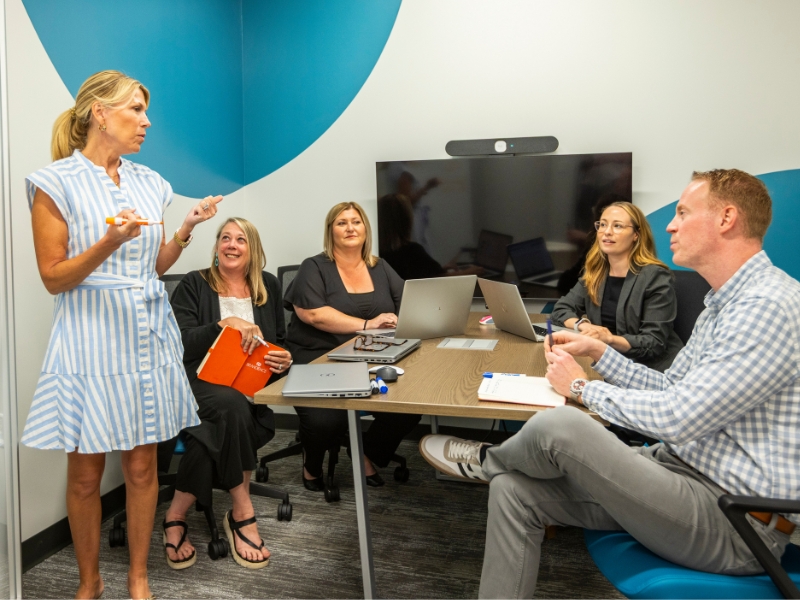
At Brandience, a hybrid workplace, opportunities to come together through an all-office day a month, team outings, and collaborative work, help maintain relationships across the team. These moments complement day-to-day communication and collaboration, they are not a substitute for making sure people can contribute and stay informed between gatherings.
The goal is not to recreate the workplace as it used to be. It is to find thoughtful ways to bring people together that reflect how work happens today.
Building a Workplace That Evolves With Its People
There is no single formula for meeting today’s workplace expectations. Needs can vary by role, personal circumstance, team, and working style. Listening to employees and regularly reviewing workplace practices can help organizations understand what is working, where friction exists, and where expectations may be changing.
That means looking beyond perks and considering the broader employee experience. Employers can ask:
- Do employees have the flexibility they need to manage work and personal responsibilities?
- Do workplace practices support both accountability and autonomy?
- Do employees feel connected to their teams and the broader organization?
For Brandience, these questions are part of how we work together, develop ideas, and support our clients. The workplace will continue to evolve, and creating an environment where people can contribute meaningfully requires a willingness to keep learning and adapting.
Ultimately, the future of workplace culture is not about returning to the way things used to be or adopting every new trend. It is about understanding what your co-workers and employees value, considering how workplace practices affect their experience, and creating an environment where people can do meaningful work and succeed together.
About the Author
As Integrated Social Media Specialist at Brandience, Nikki Rich specializes in social media strategy and performance analytics. With experience managing organic and paid social campaigns, creator relationships, and brand collaborations, she is passionate about helping brands build authentic connections and meaningful engagement online. Connect with Nikki: https://www.linkedin.com/in/nikki-rich/