
Brandience's Top Picks: The Best World Cup 2026 Marketing Campaigns So Far
Brandience Team
&
No items found.
The FIFA World Cup has always been one of the biggest stages in sports, but it's become an increasingly important stage for brands as well, particularly for U.S. companies with the tournament being held in America.
Between global sponsorships, player partnerships, and social-first creative, companies are finding new ways to connect with fans throughout the tournament. And while some advertising campaigns rely on star player power alone, the most memorable ones tend to tap into something deeper: soccer culture, fan behavior, nostalgia, and how the sport makes people feel.
With the tournament in full swing, we asked members of the Brandience team to share their favorite World Cup campaigns and explain what stood out to them from a creative, strategic, or branding perspective.
Here are our team’s top 6 commercials and what made them work:
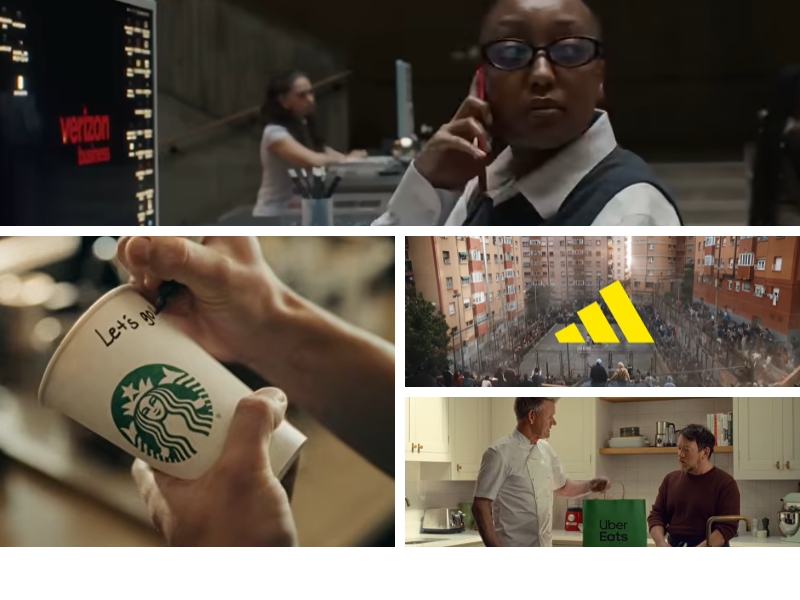
Adidas: Backyard Legends
Adidas nails something a lot of brands miss: soccer culture doesn't start on the world stage, it starts in neighborhoods, pickup games, and shared storytelling. By centering the campaign in a "Backyard Legends" narrative, they tap into the emotional core of the sport, grounding global superstars in the same environments where fans actually experience the game.
It mirrors the way soccer fans build mythology around players and moments. I especially love how the visuals morph as Timothée Chalamet recounts the story (like David Beckham's ever-changing hairstyles), a witty nod to the subtle embellishments that naturally come with storytelling, especially in backyard settings where there aren't cameras or replays to prove what really happened.
This is where brands win in soccer marketing: when they show they understand the culture from the inside out. Adidas doesn't just market the World Cup, they participate in the culture that makes it matter.
- Desi Gilliland, Account Executive
It was nearly impossible for me to pick just one favorite. As a lifelong soccer fan, I've loved seeing so many brands invest in World Cup-specific creative. I can't remember another tournament with this many brands creating thoughtful, soccer-focused campaigns.
Adidas' "Backyard Legends" stands out because it successfully bridges generations. The campaign combines soccer icons like Lionel Messi and David Beckham with today's rising stars, including Jude Bellingham, Lamine Yamal, and Trinity Rodman, while also incorporating pop culture personalities like Timothée Chalamet and Bad Bunny.
The result feels bigger than a commercial, it feels like a short film that celebrates soccer culture and brings together multiple generations of fans.
- Bill Brassine, VP, Media Director
Michelob ULTRA: Superior Player of the Match Trophy
Sometimes the most effective campaigns are the simplest. Michelob ULTRA takes one of its strongest brand equities (“Superior") and seamlessly weaves it into the World Cup through the Superior Player of the Match award.
Rather than forcing a connection, the campaign creates a natural extension of the brand while giving fans another reason to engage with the tournament. It's a great example of sponsorship activation done right.
- Bill Brassine, VP, Media Director
Uber Eats x Gordon Ramsay
There were several campaigns that impressed me creatively, but Uber Eats featuring Gordon Ramsay was my favorite. Ramsay's well-established persona (outspoken, demanding, and unapologetically passionate) makes him the perfect spokesperson for a campaign built around disrupting expectations.
His criticism of cooking during the World Cup is comedic gold because it's so intentionally over-the-top and completely on-brand for him. The humor translates globally and creates a highly shareable piece of content that stands out in a crowded advertising environment.
- Theresa Wood, Sr. Traffic Operations Manager
Dove Men+Care: Care for Your Skin Like You Care for the Game
I loved how Dove Men+Care captured the energy of sports fandom while seamlessly integrating the brand message throughout the spot.
The opening immediately hooks viewers using familiar stadium sounds and rhythms before transitioning into a broader conversation about care and self-confidence. The visuals, language, and emotional cues work together to create a campaign that feels authentic, relevant, and connected to the passion fans bring to the game. Short, simple, and highly effective.
- Debbie Happe, Account Director
Verizon: FIFA World Cup 2026 Campaign
I was drawn to Verizon's campaign because of its cinematic style. It feels more like a movie trailer than a traditional commercial.
Strategically, Verizon avoids focusing solely on connectivity and instead positions itself as an essential part of the overall World Cup experience. The campaign highlights how fans stream, engage, share, and experience the tournament, elevating the brand from service provider to enabler of unforgettable moments.
- Laura Cerimele, Marketing Manager
Starbucks: No Cup Like It
Short, sweet, and incredibly effective.
The spot captures the excitement of being inside a packed stadium through a combination of crowd chants and sensory audio that instantly creates emotion. Starbucks cleverly links that feeling to its own product experience through the line "No Cup Like It," creating a double meaning that connects the World Cup and the Starbucks cup.
It's a great example of how a :15-second spot can deliver a memorable brand message without overcomplicating the creative.
- Tim Hogan, VP, Executive Creative Director
What Marketers Can Learn from the Best World Cup Campaigns
There isn't a single formula for great sports marketing and advertising, and that's what makes this year's World Cup campaigns so interesting.
Some brands leaned into humor. Others focused on storytelling, sponsorship activation, or cultural relevance. But the strongest campaigns all had one thing in common: they found an authentic connection between the brand and the fan experience.
That's a theme we've discussed before at Brandience. In our article, Why Brands Need to Tap Into Soccer Culture Now, we explored how soccer has evolved beyond a sporting event into a cultural force that influences everything from media and entertainment to consumer behavior.
And in What Marketers Can Learn from Soccer Fans and Brands Who Listen to Them, we highlighted how the most successful brands don't simply advertise to fans, but they take the time to understand what matters to them.
Whether it's Adidas embracing the mythology of neighborhood soccer, Starbucks capturing the energy of fandom, or Verizon positioning itself as part of the viewing experience, the campaigns that resonated most felt authentic to the culture surrounding the game.
As the FIFA World Cup 2026 continues, we'll be watching to see which campaigns have the staying power to be remembered long after the final match is played.
.jpg)
.jpg)

.jpg)
.jpg)