.jpg)
How Healthcare Brands Are Using Public Figures to Build Trust and Relevance

Danielle Dobinson
&

No items found.
If you work in healthcare marketing long enough, you start to realize something: people don’t just want facts. They want to feel understood. They want to feel safe. And, honestly, they want someone they trust to tell them, “Hey, this matters for you.”
That’s a big reason why more healthcare brands are turning to public figures like athletes, local community leaders, even reality TV personalities to help bridge the gap between clinical expertise and everyday life.
And when it’s done right, it works.
Why Public Figures Actually Work in Healthcare
Healthcare decisions are deeply personal. Even when the information is straightforward, people still look for reassurance. That’s where public figures become more than “influencers”, they become relatable entry points to conversations people might otherwise avoid.
For example, social media is now a top source of health information for Americans, even for those who say they don’t seek it out. According to a new KFF Health Tracking Poll of 1,283 U.S. adults, 55% say they use social media to find health information at least occasionally.
A few reasons this approach hits differently in healthcare:
- People trust people, not systems. A local athlete or public figure can bring humanity and relevance to messages that might feel intimidating coming from a hospital system.
- They translate medical topics into everyday language. A provider can explain what sleep apnea is, but a public figure can explain what it feels like to ignore symptoms or what it feels like finally getting answers.
- Local partnerships feel more authentic. When your spokesperson isn’t a random celebrity but someone who’s connected to the community, the message lands harder. It feels less like an ad and more like a conversation with someone familiar.
Real Examples and Why They Work
Partnerships with Local Heros TriHealth and Reds Pitcher Hunter Greene & Dog, Ross
Brandience worked with TriHealth, one of Greater Cincinnati’s largest integrated healthcare systems, to bring a partnership unlike any other to life with Cincinnati Reds pitcher Hunter Greene and his dog, Ross. What made this collaboration so authentic is that it wasn’t built around a one-off appearance or a forced message. It was grounded in who Hunter is and what TriHealth stands for: personal, connected care for families in our community.
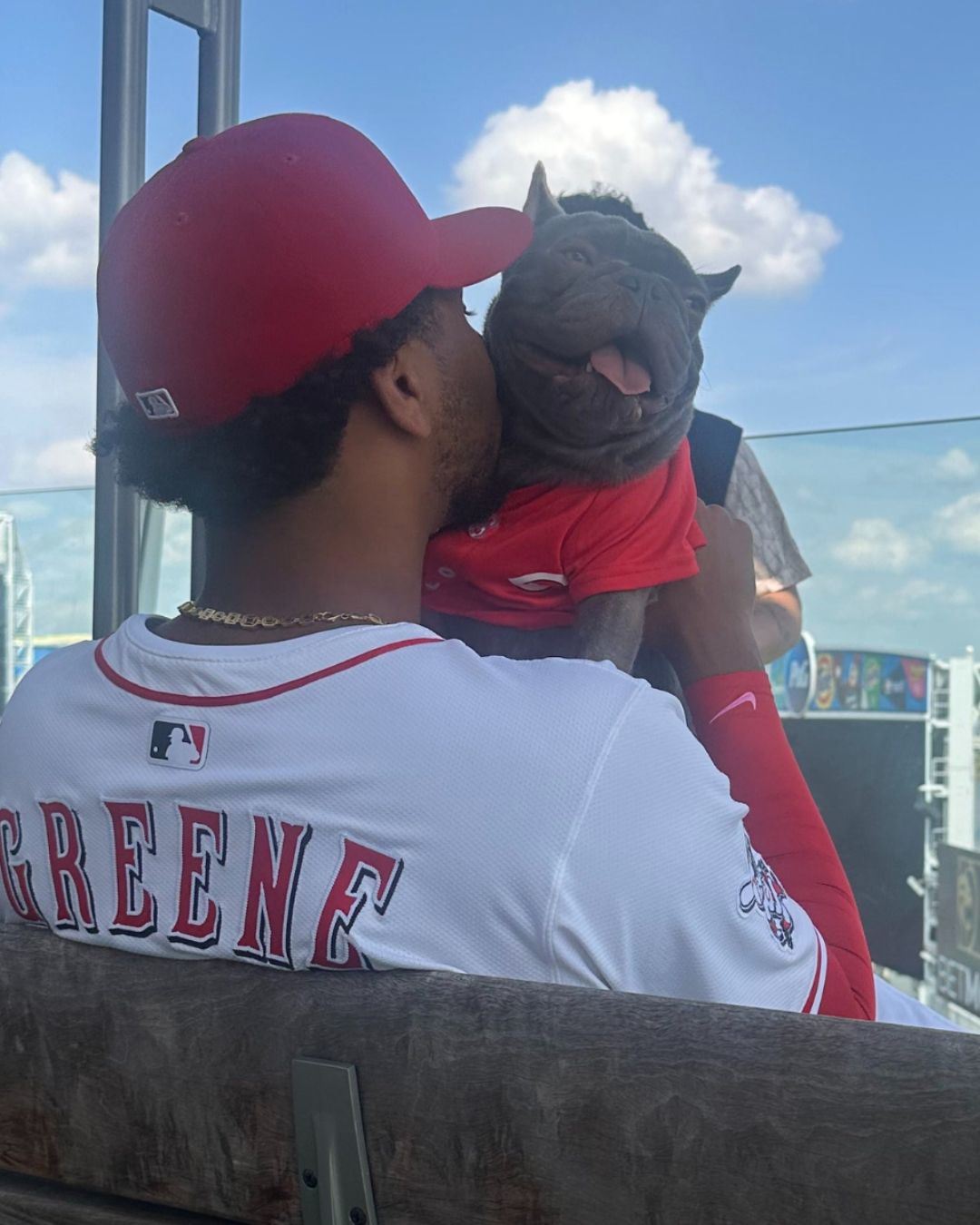
Together, we created content in the TriHealth Family Fun Zone at Great American Ball Park, which is designed to give kids a safe, welcoming place to play, explore, and learn. The space includes a Sensory Room for children who may experience overstimulation in a stadium environment. Filming with Hunter and Ross inside the Fun Zone did not feel overly produced or scripted. It felt like a real moment with someone who genuinely cares about creating inclusive experiences for Cincinnati families.
That authenticity is what people recognize instantly, and it is why this partnership stands out as an example of how healthcare systems can use local public figures to build trust, relevance, and real community connection.
Wellness Campaigns with Content Creators: HelloFresh & TikTok Chef Tini Younger
We’re seeing more systems tap into fitness influencers, local chefs, or nutrition content creators to push diabetes prevention, heart-healthy eating, or general wellness. When someone’s social presence already leans into healthy living, the message doesn’t feel forced. It feels like a natural extension of what they talk about anyway.
A recent example highlighted by MM&M is the partnership between HelloFresh and TikTok creator Tini Younger, a chef known for approachable, family-friendly recipes. Together they launched an anti-hunger initiative aimed at helping families access nutritious meals and reducing food insecurity.
What makes this partnership effective is that Tini already speaks to an audience that cares about cooking at home, feeding their families, and finding simple ways to eat well. When she introduces a cause-driven or wellness-focused campaign, it feels grounded in her existing voice and community. Her followers aren’t being sold something unfamiliar; they’re being invited into a mission that naturally aligns with the content she already creates.
Using Relevancy to Start Tough Conversations: Inspire Medical & The Golden Bachelorette
When a public figure talks openly about sleep apnea, menopause, heart health, or screenings, it normalizes the conversation for the exact people who need it. It removes the “healthcare stigma” and replaces it with, “Oh, I actually relate to that.”
A recent example comes from Inspire Medical, which partnered with The Golden Bachelorette winner, Chock Chapple, to spotlight sleep health.
By featuring Chapple in the “Chock’s Secret” spot, Inspire Medical aimed to connect with audiences who might not see themselves in traditional healthcare advertising and show that symptom relief is possible. The ad debuted during the season premiere of ABC’s The Golden Bachelor earlier this fall, leveraging a moment of cultural relevance to spark conversations about sleep health.
Featuring an older lead at the heart of the storyline allowed the spot to naturally open up conversations around aging, sleep quality, hormone changes, and overall wellness. Viewers saw someone in their age group openly acknowledging real health topics that often get brushed aside, which makes the messaging more approachable than a traditional clinical PSA. It sparks curiosity, lowers defensiveness, and gives healthcare brands an authentic entry point into tougher (but necessary) conversations.
Larger Celebrity Partnerships That Truly Align: Eli Lilly & Shaquille O’Neal
The healthcare campaigns that work are not the splashy Super Bowl spots. They are the campaigns where a celebrity’s personal story connects directly to the message. Think musicians talking about hearing loss prevention, athletes discussing mental health, or chefs partnering with hospital nutrition teams.
A recent example highlighted by MM+M shows how this works. Eli Lilly teamed up with fellow Hall of Famer and Inside the NBA co host Shaquille O’Neal to raise awareness about moderate to severe sleep apnea. Shaq shares his own experience with the condition and emphasizes that sleep apnea is more than snoring, encouraging people to take symptoms seriously.
The campaign directs viewers to DontSleepOnOSA.com and prompts them to talk with their healthcare provider. It is a simple example, but a powerful one. When the story is real, the message sticks.
Tips for Healthcare Marketers Considering a Public-Figure Partnership
If you’re thinking about adding a spokesperson to your healthcare marketing strategy, here are a few things to consider in this space:
- Choose alignment over fame. Your spokesperson doesn’t need millions of followers. They need credibility with your audience. Local relevance often beats national reach.
- Make it about storytelling, not selling. What personal story can they tell that connects to the healthcare topic? That’s the heart of the campaign.
- Think bigger than one ad. The best partnerships extend across campaigns — wellness challenges, community events, screenings, social content, guided Q&As, etc. When people see a consistent face advocating for a message, it builds real trust.
- Keep the brand values front and center. The spokesperson should enhance your message, not overshadow it.
The Bottom Line
Healthcare is one of the few categories where trust can change outcomes. Public figures, especially when chosen thoughtfully, help bring humanity, relatability, and relevance to topics people tend to avoid until it’s too late.
And the best part? This approach isn’t about celebrity. It’s about connection. When people see someone, they admire or relate to talking openly about their health, it creates a moment of, “Okay… maybe I should pay attention to this.”
That’s where real impact starts.
About the author:
Danielle Dobinson is a Media & Client Relationship Coordinator at Brandience, where she bridges client goals and media execution with enthusiasm and dedication. Connect with Danielle: https://www.linkedin.com/in/danielle-dobinson/

.jpg)
.jpg)
.jpg)